

At ANA, Lean is more than a process improvement initiative. It is the philosophy that guides how we design, build, and deliver solutions for our customers. The principle is simple: customers should only pay for value. That value is measured by four fundamentals — cost, quality, reliability, and delivery. Anything beyond that is waste, and it is our responsibility to eliminate it.
Lean as a Philosophy of Value
For me, Lean is not a checklist or a one-time program. It is a mindset that requires daily discipline and commitment at every level of the company. By reducing inefficiencies, we protect customers from higher costs, delays, and inconsistent product performance. When we succeed, they benefit. When we fall short, they feel the impact, and that is something we are always working to improve.
This philosophy drives us to ask a simple question of every process: does this create value for the customer? If the answer is no, it is waste that must be addressed.
Measuring What Matters
Lean only works when improvements are measurable. At ANA, we are building systems that allow us to track and improve with confidence.
- Throughput Growth: At our Spartanburg facility, monthly output grew from 180 units to more than 240 with the same headcount. In Henderson, where we focus on EBOSS, production has tripled year-over-year without adding staff.
- Efficiency per Employee: We track throughput per employee to see how Lean translates into results. For example, 20 employees produce 100 units equally, five units per person. When the same team produces 120 units, that number rises to six. This is Lean at work.
- Quality and Cost: We are applying Lean to quality management by tracking defects per unit, first-time acceptance rates, and cost-of-quality. These measures help us build products right the first time and lower the hidden costs of rework or downtime.
These metrics are essential because Lean is not about slogans or intentions. It is about data-driven progress.
People and Process at the Center
Lean is not only about processes, but also about people. One of the most important concepts is the “eighth waste”: unused talent. When skilled employees spend their time on low-value tasks, their abilities are underutilized. My focus is on aligning people with work that maximizes their strengths, redesigning layouts to minimize wasted movement, and ensuring planning is proactive rather than reactive.
“Driving the Lean initiative created a passion and dedication to leading continuous improvement efforts in my career.”
At Spartanburg, reorganizing production into efficient product lines reduced unnecessary transport and allowed employees to focus on building. In Henderson, shifting from reactive planning to proactive scheduling eliminated waiting time and created smoother workflow. These changes do more than improve efficiency—they empower our teams to succeed.
Sustaining the Journey
Although we have achieved measurable improvements, I recognize that ANA’s Lean journey is still in its early stages. That is not a weakness—it is an opportunity. Sustaining Lean requires more than initial improvements. It demands leadership commitment, daily attention, and a culture where every employee understands that continuous improvement is part of who we are.
Training has been critical in reinforcing this culture. By introducing 5S principles and value stream mapping, we are equipping teams with tools to identify waste and improve systematically. Just as importantly, these practices reinforce the idea that Lean is not optional. It is how we operate.
The Bigger Picture
Lean also connects directly to ANA’s broader Journey to Zero® initiative. Reducing waste, optimizing layouts, and embedding quality into every step support both stronger business performance and more sustainable outcomes. Every efficiency gain inside our plants translates into faster delivery, lower costs, and more reliable equipment in the field. That is the real measure of Lean.
At the end of the day, Lean is about more than efficiency. It is about trust. Customers depend on us to deliver products that perform as promised, and they should never have to pay for inefficiency. By embedding Lean into everything we do, we are building that trust and ensuring ANA delivers value that lasts.
About Author
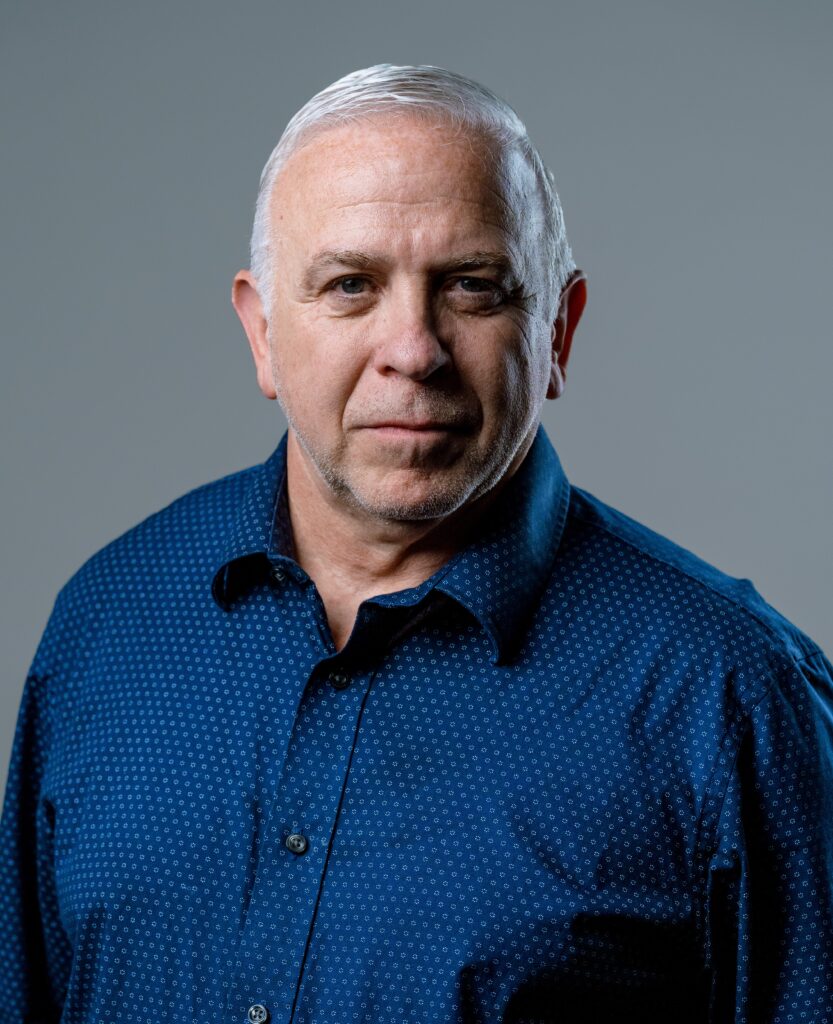
Kevin Calchary serves as the Director of Operations at ANA Inc., bringing a wealth of expertise in Lean Manufacturing and Continuous Improvement Initiatives. With over 97 Kaizen events under his belt, Kevin has held various roles such as Champion, Leader, Sponsor, and participant throughout his career. Since joining ANA Inc., he has led the implementation of Lean tools like process flow, Kanban, Kaizen, and Just-In-Time (JIT), all aimed at enhancing operational efficiency and reducing costs.
Kevin’s specific industry knowledge spans Lean Manufacturing and Operations & Logistics, making him a key figure in improving production processes and throughput. He has also played a pivotal role in training over 100 associates on 5S methodologies, Root Cause/Problem Solving, and the Kaizen Process. His contributions include streamlining plant production meetings and driving action plans to completion, ensuring alignment with SQDCI and Lean Initiatives.
Kevin holds a Lean Bronze Certification from the Society of Manufacturing Engineers (SME) and continues to champion cultural change within the organization, fostering a collaborative and efficiency-driven environment